


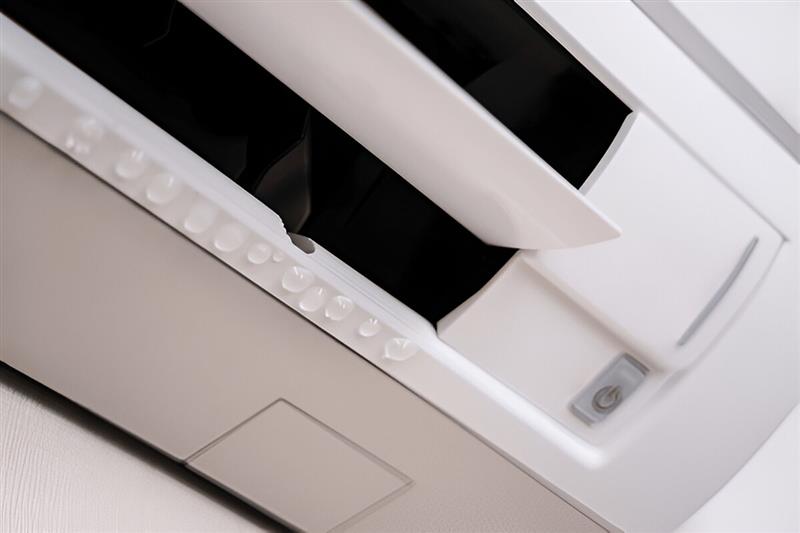
Discovering a puddle of water under your air conditioning unit can be a homeowner’s nightmare, especially in Clearwater, where a functioning AC is essential for comfort. While an AC leak might seem alarming, it’s often a common issue with a solvable cause. Understanding why your AC is leaking and what steps to take can save you from bigger problems and costly repairs.
Here’s a breakdown of the most common reasons for AC leaks and practical troubleshooting tips for homeowners in Clearwater:
Table of Contents
ToggleCommon Reasons Your AC Might Be Leaking Water
- Clogged Condensate Drain Line: This is the most frequent culprit. Your AC unit removes humidity from the air, and this condensation drains through a PVC pipe. Over time, algae, mold, dirt, and debris can build up, causing a blockage. When the drain line is clogged, water backs up and overflows from the drain pan, leading to leaks.
- Dirty Air Filters: A dirty or clogged air filter restricts airflow over the evaporator coil. This lack of airflow causes the evaporator coil to get too cold and freeze over. When the ice melts, it produces an excess of water that the drain pan cannot handle, resulting in a leak.
- Low Refrigerant Levels: If your AC is low on refrigerant, the evaporator coil may not absorb enough heat, causing it to freeze. Similar to a dirty air filter, when this ice melts, the resulting water can overflow the drain pan. Low refrigerant usually indicates a leak in the system, which requires professional attention.
- Frozen Evaporator Coil: This can be caused by low refrigerant, dirty air filters, or poor airflow. When the coil freezes and then thaws, the amount of water produced can overwhelm the drain pan and drainage system.
- Damaged or Rusted Drain Pan: The drain pan collects condensation from the evaporator coil. In older units, this pan can rust or crack over time, allowing water to leak directly onto your floor or into your attic.
- Improper Installation: If your AC unit wasn’t installed correctly, it might not be sloped properly for adequate drainage. This can lead to water pooling and eventually leaking from the unit.
- Broken Condensate Pump: If your AC unit is in a location where gravity can’t drain the condensate (like a basement or attic), it uses a condensate pump to move the water outside. If this pump malfunctions or breaks, water will accumulate and leak.
What to Do When Your AC is Leaking
If you notice water leaking from your AC unit, take these immediate steps:
- Turn Off Your AC Immediately: This is crucial to prevent further damage to your unit and your home. Switch off the thermostat and, if possible, the circuit breaker for the AC unit.
- Clean Up the Water: Mop up any standing water to prevent damage to your flooring, ceilings, or other parts of your home.
- Check and Replace Air Filters: Inspect your air filter. If it’s dirty, replace it with a clean one. This is a simple and inexpensive fix that can resolve leaks caused by restricted airflow.
- Clear the Condensate Drain Line:
- Locate the condensate drain line, usually a PVC pipe exiting your indoor unit and often leading outside.
- You can try to clear minor clogs by using a wet/dry vacuum at the outdoor end of the drain line to suction out the blockage.
- Some recommend pouring a cup of distilled vinegar mixed with water down the drain line every few months to prevent algae buildup.
- Inspect the Drain Pan: Look for cracks or rust in the drain pan located beneath the evaporator coil. If it’s damaged, it will likely need to be replaced.
When to Call for Professional HVAC Repair in Clearwater
While some minor issues like dirty filters or simple drain line clogs can be addressed by homeowners, many AC leak problems require professional expertise. If you’ve tried basic troubleshooting and your AC is still leaking, or if you suspect issues like:
- Low refrigerant levels or a refrigerant leak
- A frozen evaporator coil that won’t thaw
- A damaged or rusted drain pan
- A broken condensate pump
- Improper installation issues
It’s time to contact a qualified HVAC repair Clearwater specialist. Professionals have the tools and knowledge to accurately diagnose the problem, perform necessary repairs, and ensure your system is running efficiently and safely.
For reliable HVAC repair in Clearwater, consider reaching out to local experts who can promptly diagnose and fix your AC issues, restoring comfort to your home. Taking quick action can prevent minor leaks from turning into major, costly repairs.
Frequently Asked Questions
An AC can leak water inside due to clogged drain lines, dirty air filters, low refrigerant levels, or a damaged drain pan. These issues prevent proper drainage and lead to water buildup.
Yes. A dirty air filter restricts airflow, causing the evaporator coil to freeze. When it thaws, the excess water may overflow the drain pan, resulting in a leak.
You can use a wet/dry vacuum on the outdoor end of the drain line to suction out debris. Regularly flushing the line with a vinegar-water solution can help prevent future blockages.
Yes. Turn off your AC immediately to prevent further damage. Clean up standing water and troubleshoot or call a professional if the issue persists.
If basic steps like changing filters or unclogging the drain line don’t solve the issue, or if you suspect a refrigerant leak, frozen coil, or pump failure, contact a local HVAC technician for expert help.