

Running a business means juggling a hundred responsibilities at once from keeping customers happy to making sure your employees have the right tools to succeed. But here’s one thing many business owners overlook: the comfort of their space. Imagine a hot summer day when your HVAC suddenly fails, employees lose focus, customers cut their visits short, and productivity takes a hit. All because of an avoidable breakdown.
The truth is, your HVAC system isn’t just about temperature it’s about protecting your bottom line. Without proper care, small issues can quickly snowball into costly commercial air conditioning repair or even full system replacement. That’s why having a clear maintenance checklist is essential.
Below, we’ll break down a practical, step-by-step commercial HVAC maintenance checklist for business owners so you can keep your system reliable, efficient, and worry-free.
Table of Contents
ToggleWhy HVAC Maintenance Matters for Businesses
A well-maintained HVAC system is more than just about comfort. It impacts:
- Employee productivity – Comfortable workplaces improve focus and morale.
- Customer experience – Clients notice when your space feels too hot or too cold.
- Energy efficiency – Regular maintenance reduces utility bills.
- Equipment lifespan – Preventative care helps avoid expensive AC repair services.
Commercial HVAC Maintenance Checklist
1. Schedule Regular Inspections
Arrange professional inspections at least twice a year—ideally before peak summer and winter seasons. Licensed technicians can detect small issues before they escalate into major breakdowns that require emergency commercial air conditioning repair.
2. Replace Air Filters Frequently
Dirty air filters restrict airflow, strain the system, and lower indoor air quality. For commercial units that run daily, replacing filters every 1–3 months is recommended.
3. Clean Coils and Condensers
Dust, debris, and grease can accumulate on coils and condenser units, forcing the HVAC system to work harder. Cleaning these components boosts efficiency and prevents unnecessary AC repair costs.
4. Check Thermostat Settings
Make sure your thermostat is calibrated and programmed to match your operating hours. Smart thermostats can help save energy while keeping employees and customers comfortable.
5. Inspect Ductwork and Airflow
Leaky or clogged ducts reduce efficiency and increase utility bills. Regular duct inspections ensure consistent airflow throughout your commercial space.
6. Monitor Refrigerant Levels
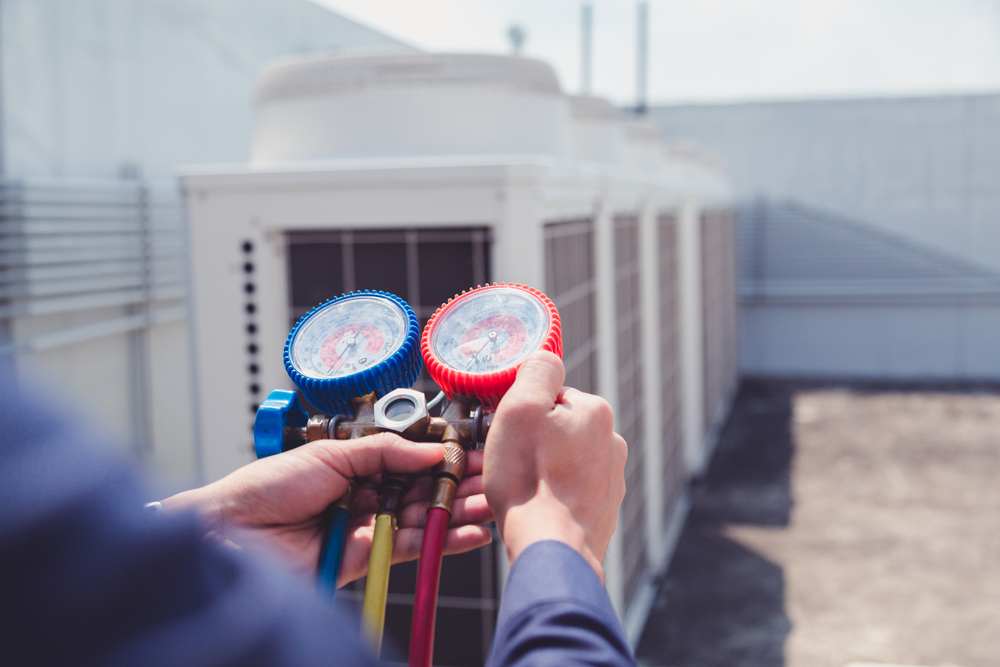
Low refrigerant can cause your HVAC system to underperform. A certified technician should check and refill refrigerant levels to maintain optimal cooling.
7. Test Electrical Components
Loose or damaged wiring can lead to safety hazards and equipment failure. Regular electrical checks help prevent costly breakdowns and potential fire risks.
8. Keep Outdoor Units Clear
Ensure outdoor HVAC units are free from obstructions like weeds, leaves, or trash. Proper clearance improves airflow and system performance.
When to Call a Professional
Even with a strong maintenance routine, HVAC systems occasionally need expert attention. If your business experiences unusual noises, inconsistent cooling, or sudden energy bill spikes, it may be time for professional commercial air conditioning repair. Partnering with a trusted service provider ensures quick, reliable solutions. For routine maintenance or urgent AC repair, you can explore our air conditioning service options.
Final Thoughts
Proactive HVAC maintenance saves money, reduces downtime, and keeps your business environment welcoming for both employees and customers. By following this checklist, business owners can avoid unnecessary expenses and ensure long-term system reliability.
If your system needs professional care, check out our specialized commercial AC service or connect with us through our Google Business Profile to schedule an appointment today.
Frequently Asked Questions
Most experts recommend scheduling professional HVAC inspections at least twice a year, ideally before the summer and winter seasons. Businesses with heavier system usage may need quarterly maintenance.
Dirty air filters reduce airflow, lower indoor air quality, and strain the HVAC system, which can lead to higher energy bills and potential breakdowns. For commercial units, filters should usually be replaced every 1 to 3 months.
Unusual noises, uneven cooling, frequent thermostat adjustments, or sudden spikes in energy bills are common indicators that professional commercial air conditioning repair may be needed.
Preventative care reduces costly repairs, improves energy efficiency, extends the lifespan of equipment, and minimizes downtime that can disrupt business operations.
Employees can handle simple tasks like replacing filters or keeping outdoor units clear of debris. However, inspections, refrigerant checks, coil cleaning, and electrical testing should always be performed by licensed HVAC technicians for safety and efficiency.